Sleep
7 Surprising Reasons Sleep After 50 Changes—And How to Enjoy Better Rest
Sleep after 50 often changes in ways many people don’t expect.
Perhaps you’ve fallen asleep without any trouble, only to find yourself wide awake at 2:30 or 3:00 in the morning. Maybe you wake several times during the night, or you get up feeling like you never truly rested. If this sounds familiar, you’re certainly not alone.
Many adults notice changes in sleep after 50, but it’s easy to assume it’s simply something you have to accept as part of getting older. The reality is more encouraging. While natural changes in the body can influence sleep over time, everyday habits and your evening routine also play an important role.

The surprising part is that many of the reasons sleep after 50 changes have less to do with aging itself than most people realize. Factors such as stress, blue light exposure, irregular schedules, late meals, or simply not giving your body enough time to unwind can quietly affect how well you sleep.
The good news is that understanding these changes is the first step toward improving them. By making a few practical adjustments and supporting your body’s natural ability to relax and recover, you may be able to enjoy more restful nights and wake up feeling refreshed.*
Let’s take a closer look at seven surprising reasons sleep after 50 changes—and simple habits that may help you enjoy better rest.
Your Internal Clock Naturally Begins to Shift
One of the biggest surprises about sleep after 50 is that your body naturally begins to keep a slightly different schedule.
Inside your brain is a biological “clock” known as your circadian rhythm. It helps regulate when you feel alert, when you become sleepy, and how your body moves through the different stages of sleep.
As we grow older, this internal clock often shifts. Many adults become sleepy earlier in the evening and wake earlier in the morning than they once did. At the same time, the amount of deep, restorative sleep naturally decreases, making sleep feel lighter and more easily interrupted.
Many people assume this means they simply need less sleep. In reality, most adults still benefit from about seven to nine hours each night. The challenge is often staying asleep long enough to get the restorative rest the body needs.
Understanding these normal changes can help you work with your body’s natural rhythm rather than against it. Going to bed at a consistent time, getting natural daylight in the morning, and maintaining regular daily routines may all help support healthier sleep patterns.*
Did You Know?
As we age, we naturally spend less time in deep sleep than we did when we were younger. This is one reason nighttime awakenings become more common after age 50. Fortunately, healthy sleep habits can still have a meaningful impact on sleep after 50 and overall sleep quality.
Everyday Habits May Be Affecting Your Sleep More Than You Realize
When people think about sleep after 50, they often blame aging first. Surprisingly, everyday habits may play an even bigger role.
Think about your typical evening. Do you use your phone, tablet, computer, or television before bed? Do you eat dinner late, enjoy an evening cup of coffee or a glass of wine, or head straight from a busy day into bed without time to unwind?
Individually, these habits may seem harmless. Together, however, they can quietly signal your brain to stay alert when it should be preparing for sleep.
Blue light exposure from electronic devices may interfere with the body’s natural production of melatonin—the hormone that helps regulate the sleep-wake cycle. Heavy meals close to bedtime keep the digestive system active, while caffeine consumed later in the day can continue affecting some people well into the evening.
The encouraging news is that these are habits you can often change. Small adjustments—such as limiting blue light exposure before bed, eating dinner a little earlier, reducing late-day caffeine, and maintaining a consistent bedtime routine—may help support more restful sleep over time.*
Many people are surprised to discover that improving sleep after 50 often starts with a few simple evening habits rather than searching for a complicated solution.
Stress Doesn't Always Stay Awake
Not all sleep challenges begin in the bedroom.
For many adults, sleep after 50 is influenced just as much by what happens during the day as what happens at night.
Life after 50 often brings new responsibilities and transitions. Caring for aging parents, helping with grandchildren, managing health concerns, planning for retirement, or adjusting to life after leaving the workforce can all keep the mind active long after the lights go out. Even positive events, such as vacations or family gatherings, can make it harder to fully unwind.
When your mind is still processing the day’s events, relaxing enough to fall asleep—or fall back asleep after waking during the night—can become more difficult.
This is why many sleep experts recommend creating a transition between the end of the day and bedtime. Giving yourself 30 to 60 minutes to unwind with activities such as reading, gentle stretching, calming music, or a warm shower may help signal to your body that it’s time to rest.
Just as importantly, remember that everyone experiences an occasional restless night. Rather than worrying about one poor night’s sleep, focus on building healthy habits that support sleep after 50 over time.
Five Evening Habits That May Support Better Rest
✓ Go to bed at about the same time each night
✓ Limit blue light exposure during the last hour before bed
✓ Keep your bedroom cool, quiet, and comfortable
✓ Choose relaxing activities before bedtime
✓ Give yourself time to unwind before turning in
Your Body Depends on Sleep for Recovery
Many people think of sleep as simply “turning off” for the night. In reality, your body remains remarkably active while you sleep.
During the night, your body carries out many of its natural maintenance and recovery processes. Muscles recover from the day’s activities, the brain organizes and stores memories, hormones follow their natural daily rhythms, and the body prepares for the next day.
This is one reason sleep after 50 deserves special attention. Recovery naturally becomes more important as we age, yet many people are sleeping less soundly than they did in earlier years.
Researchers have also found that sleep and healthy immune function are closely connected. While an occasional late night is unlikely to have lasting effects, consistently poor sleep may leave people feeling less refreshed, less resilient, and less prepared for the demands of everyday life. Healthy sleep supports recovery, energy, mood, mental sharpness, and overall wellness.
The encouraging news is that recovery isn’t determined by sleep alone. Regular physical activity, good nutrition, hydration, and effective stress management all work together to support healthier sleep patterns. Many people are surprised to learn that improving sleep after 50 often begins long before they get into bed.
Nutrition Can Play a Role in Better Rest
What you eat throughout the day—and even in the evening—may influence how well you sleep.
A balanced diet rich in fruits, vegetables, whole grains, lean proteins, and healthy fats provides the nutrients your body needs to support overall wellness. Some foods are also naturally rich in nutrients commonly associated with relaxation and healthy sleep.
For example, leafy greens, almonds, pumpkin seeds, and legumes are good sources of magnesium. Kiwi and tart cherries have also been studied for their potential role in supporting healthy sleep patterns as part of an overall healthy diet.
Rather than searching for one “perfect” food, focus on consistent eating habits. Regular meals, limiting heavy late-night dinners, and reducing caffeine later in the day may all help support better nighttime rest.
Healthy nutrition alone won’t solve every sleep challenge, but it can become another important piece of the puzzle when working toward improving sleep after 50.
Foods Commonly Included in a Sleep-Friendly Diet
- Leafy green vegetables
- Almonds
- Pumpkin seeds
- Kiwi
- Tart cherries
- Chamomile tea
Small, consistent habits often have a greater impact than dramatic changes when supporting sleep after 50.
Supporting Better Sleep Naturally
By now, one thing has probably become clear: sleep after 50 is rarely influenced by just one factor.
Your body’s natural sleep cycle changes over time. Daily habits matter. Stress can follow you into the bedroom. Nutrition, physical activity, and recovery all play a role. For many people, improving sleep isn’t about finding one quick fix—it’s about creating a routine that supports relaxation night after night.
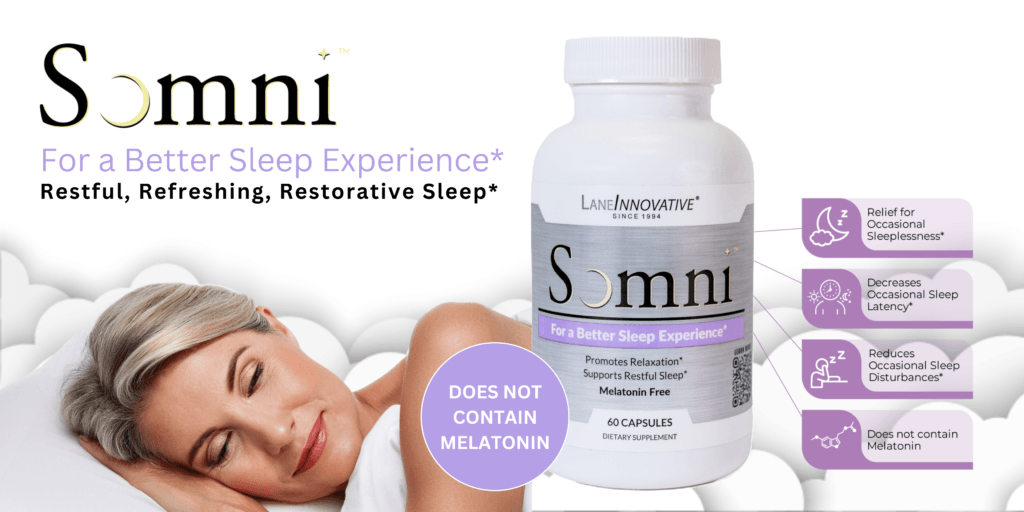
Some people also choose nutritional supplements as part of their overall approach to supporting sleep after 50.
One ingredient that has received growing attention is magnesium bisglycinate. Magnesium is involved in hundreds of processes throughout the body, including muscle function, nervous system function, and relaxation. Magnesium bisglycinate combines magnesium with the amino acid glycine and is often chosen because it is generally well tolerated and readily absorbed. Unlike some forms of magnesium that are more commonly associated with digestive effects, magnesium bisglycinate is frequently selected for evening use because it is gentle on the stomach and commonly included in relaxation-focused formulations.*
Other ingredients are also commonly included in evening wellness routines. L-theanine, a naturally occurring amino acid found in tea leaves, is often used to promote a relaxed state without causing daytime drowsiness.*
Traditional herbs also remain popular choices. Chamomile and passionflower have long been used to support relaxation and calmness before bedtime, while ashwagandha is an adaptogenic herb traditionally used to help the body adapt to occasional stress while supporting an overall sense of well-being.*
While no supplement replaces healthy sleep habits, many people choose ingredients like these as part of an overall evening routine designed to support relaxation and restful sleep.*
Your Better Sleep Checklist
✓ Go to bed at about the same time every night
✓ Stay physically active during the day
✓ Limit caffeine later in the afternoon
✓ Reduce blue light exposure before bed
✓ Keep your bedroom cool, dark, and comfortable
✓ Create a relaxing bedtime routine
✓ Be patient—healthy sleep habits often improve over time
The Bottom Line
If you’ve noticed changes in sleep after 50, you’re far from alone. Waking during the night, lighter sleep, or feeling less refreshed in the morning are experiences many adults share as they get older.
The encouraging news is that poor sleep doesn’t have to be accepted as an unavoidable part of aging. While some changes are completely normal, many others are influenced by everyday habits that you have the ability to change.
Small improvements—such as maintaining a consistent bedtime, staying active, managing stress, eating well, and creating a relaxing evening routine—can gradually add up to meaningful improvements in how you sleep and how you feel during the day.
Rather than looking for a single solution, think of healthy sleep as the result of many small choices working together. By understanding why sleep after 50 changes and taking practical steps to support your body’s natural sleep cycle, you can give yourself the best opportunity to enjoy more restful nights, healthier days, and an improved sense of overall well-being.*
Like? Share with Your Friends!