Sleep
Sleep Temperature: The Surprising Connection Between Body Heat and Better Sleep
Your sleep temperature may be one of the most overlooked reasons you toss and turn at night—even when you’re tired and ready for bed.
You settle under the covers, get comfortable, and close your eyes. Everything seems just right.
Twenty minutes later, you’re too warm. Off come the blankets. Then, sometime during the night, you’re chilly and reaching for them again.
Sound familiar?
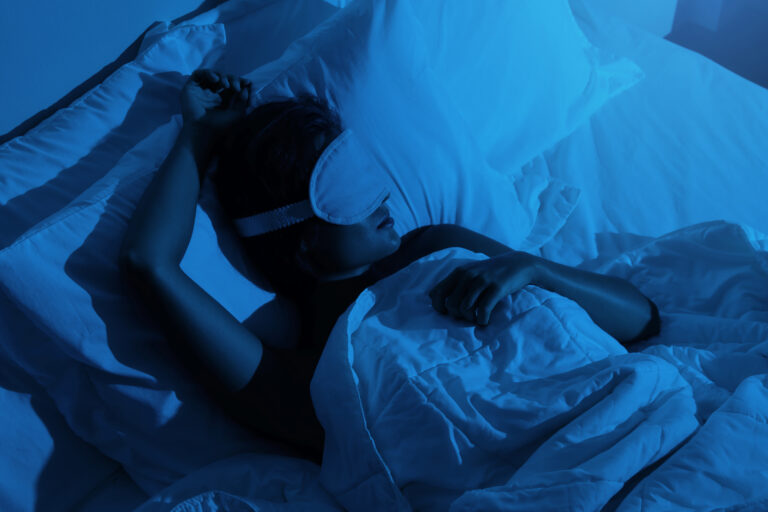
We tend to think of sleep in terms of how tired we feel, what time we go to bed, or how many hours we manage to get. But there’s another important piece of the puzzle: temperature.
And here’s something surprising. Your body actually needs to cool down as it prepares for sleep. Even more interesting? Warming yourself up beforehand may help that process along.
Understanding the relationship between sleep temperature and your body’s natural rhythms could change the way you think about bedtime.
Your Body Has a Built-In Thermostat
Your body doesn’t maintain exactly the same temperature throughout the day.
It follows a natural 24-hour rhythm, rising and falling in coordination with your internal body clock.
During the day, your core temperature generally increases as you become more active and alert. As evening approaches, it begins to decline, helping prepare your body for sleep.
This gradual cooling is a normal part of your sleep-wake cycle.
But here’s where sleep temperature gets interesting.
Your body doesn’t simply become colder everywhere. Instead, blood flow near the surface of your skin can increase, particularly in your hands and feet. This allows heat to escape from your body’s core.
In other words, your skin may actually feel warmer while your internal temperature is falling.
Researchers have found that this redistribution of heat is closely connected with the process of falling asleep.
It’s one reason sleep temperature involves more than simply setting the bedroom thermostat.
Your Body's Nighttime Thermostat
As bedtime approaches, your core body temperature naturally begins to fall. Meanwhile, increased blood flow to your hands and feet helps release heat through your skin. This normal cooling process is closely associated with your body’s preparation for sleep.
Why a Warm Bath May Help You Cool Down
At first, it sounds completely backward.
If your body needs to cool down before sleep, why would taking a warm shower or bath help?
The answer has to do with how your body handles heat.
When you take a comfortably warm bath or shower, your skin warms and blood flow near its surface increases. Afterward, your body can release heat into the surrounding air.
That process may help support the natural decline in core temperature that occurs before sleep.
A 2019 systematic review and meta-analysis examined research on warm bathing and showering before bedtime.
The researchers found that bathing in warm water approximately one to two hours before bed was associated with improvements in certain measures of sleep, including how quickly people fell asleep.
The important detail is timing.
Jumping into a hot bath immediately before getting into bed isn’t necessarily the same as allowing your body time to release heat afterward.
And hotter isn’t automatically better. The goal is comfortable warmth, not overheating.
For someone looking to experiment with sleep temperature, a relaxing warm shower earlier in the evening may be a simple place to begin.
Of course, a warm bath isn’t a guaranteed solution for sleep difficulties. But it’s an interesting example of how the body’s temperature-regulation system works.
Is 65 Degrees Really the Perfect Bedroom Temperature?
You’ve probably heard the advice: Keep your bedroom cool for better sleep.
Some recommendations suggest temperatures around 65 to 68°F.
But does everyone really need the same temperature?
Not necessarily.
A fascinating 2023 study examined bedroom temperatures and sleep among community-dwelling older adults.
Researchers observed that sleep was generally most efficient and restful when nighttime bedroom temperatures were approximately 68 to 77°F.
That’s warmer than many commonly repeated sleep recommendations.
Before turning up your thermostat, however, there’s an important distinction.
This was an observational study, meaning researchers identified relationships between temperature and sleep rather than proving that a particular setting caused better sleep. Individual responses also varied considerably.
The findings don’t establish a new ideal temperature for everyone.
Instead, they highlight something worth remembering: sleep temperature is personal.
Your bedding, pajamas, humidity, airflow, mattress, and individual physiology can all influence how comfortable you feel.
A room that feels pleasantly cool to one person might feel uncomfortably cold to another.
That’s why finding your preferred sleep temperature may involve a little experimentation rather than following one rigid number.
There's No Magic Number for Everyone
In a 2023 study of older adults, sleep was generally most efficient and restful at bedroom temperatures of approximately 68–77°F. Individual responses varied, reminding us that comfortable sleep temperature depends on more than a single thermostat setting.
Why Temperature Comfort May Change as We Age
Have you noticed that the bedding you loved years ago doesn’t always feel comfortable anymore?
Perhaps you once slept under a heavy comforter year-round but now prefer something lighter.
Or maybe you’ve become more sensitive to a chilly bedroom.
As we age, changes in circulation, metabolism, sleep patterns, and the body’s ability to regulate temperature can influence how we experience warmth and cold.
Other factors, including certain medications and health conditions, may also affect temperature sensitivity.
This doesn’t mean everyone becomes warmer or colder with age. There’s considerable individual variation.
But it does help explain why your preferred sleep temperature at 65 may not be exactly what it was at 35.
It’s also worth remembering that room temperature and body temperature aren’t the same thing.
A heavy blanket can trap heat even when the thermostat is set relatively low. Similarly, lightweight bedding may make a warmer room feel more comfortable.
When considering sleep temperature, the entire sleeping environment matters.
And if you share a bed, you’ve probably discovered that two people can have very different ideas about the perfect sleeping conditions!
Five Simple Ways to Make Your Bedroom More Comfortable
The good news is that you don’t necessarily need expensive cooling mattresses, specialty pillows, or complicated technology.
A few small adjustments may help you find a more comfortable sleep temperature.
1. Experiment with your thermostat.
Rather than assuming one setting is perfect, try adjusting the temperature slightly over several nights. Pay attention to how comfortable you feel when falling asleep and whether you wake up too warm or cold.
2. Think in layers.
Lightweight blankets and breathable bedding make it easier to adjust your warmth throughout the night. If you share a bed, separate blankets may help accommodate different preferences.
3. Consider a warm shower before bedtime.
Try a comfortably warm shower or bath about one to two hours before bed. Avoid excessively hot water, especially if you’re prone to dizziness or have concerns about falling.
4. Don't overlook your feet.
Cold feet can make it difficult to feel comfortable in bed. Light, breathable socks may help if your feet are chilly, but skip them if they make you too warm.
5. Notice the little things.
Airflow, humidity, seasonal changes, and even the type of pajamas you wear can influence your sleep temperature.
The idea isn’t to change everything at once.
Start with one adjustment, give yourself a few nights, and see whether it makes your bedroom feel more comfortable.
Small Changes Can Make a Difference
Finding a comfortable sleep temperature doesn’t have to be complicated. Adjusting your blankets, experimenting with airflow, or taking a comfortably warm shower before bed may help create a more pleasant sleeping environment. Start small and pay attention to what works for you.
What If You're Still Too Hot at Night?
Occasionally waking up too warm is common, particularly when seasons change or bedding traps more heat than expected.
But persistent overheating deserves a little more attention.
Night sweats, unusual temperature sensitivity, or frequent sleep disruption can sometimes be related to medications, hormonal changes, or underlying health concerns.
If these symptoms are new, severe, or persistent, it’s worth discussing them with a healthcare professional rather than assuming your bedroom is simply too warm.
Comfortable sleep temperature is one part of healthy sleep, but it isn’t the only factor.
A Better Night May Begin With a Small Adjustment
We often search for complicated answers when sleep doesn’t come easily.
A new mattress. A different bedtime. Another nighttime routine.
Sometimes those changes are useful.
But understanding sleep temperature offers a different perspective.
Your body is already doing something remarkable each evening, gradually shifting its internal temperature as part of the natural transition toward sleep.
Your job isn’t to force that process. It’s to create a comfortable environment that works with it.
And remember, the best sleep temperature isn’t necessarily the coldest room or the number someone else recommends.
It’s the setting that helps you feel comfortably settled.
So tonight, before changing your entire bedtime routine, consider something simpler.
Maybe all you need is a lighter blanket, a small thermostat adjustment, or a warm shower a little earlier in the evening.
Sometimes, a more comfortable night begins with the smallest changes.
References
Like? Share with Your Friends!